Cold paws? Shivering fluff? Cats may act tough, but many feel the cold, especially seniors, short-haired breeds, and underweight cats.
Instead of increasing heat in your home, layering your cat’s bed is a simple and effective way to improve warmth and comfort.
🌡️ Why Cats Get Cold Indoors
- ✔ Cats prefer warmer environments than most homes
- ✔ Indoor temperatures are often below their comfort range
- ✔ Cold can lead to stiffness, poor sleep, and reduced appetite
- ✔ Warming their sleep area improves comfort and overall wellbeing
🛏️ Step-by-Step Bed Layering Guide
1. Start with a Structured Base
- ✔ Use a supportive felt or orthopedic base
- ✔ Helps insulate from cold floors
- ✔ Provides stability and joint support
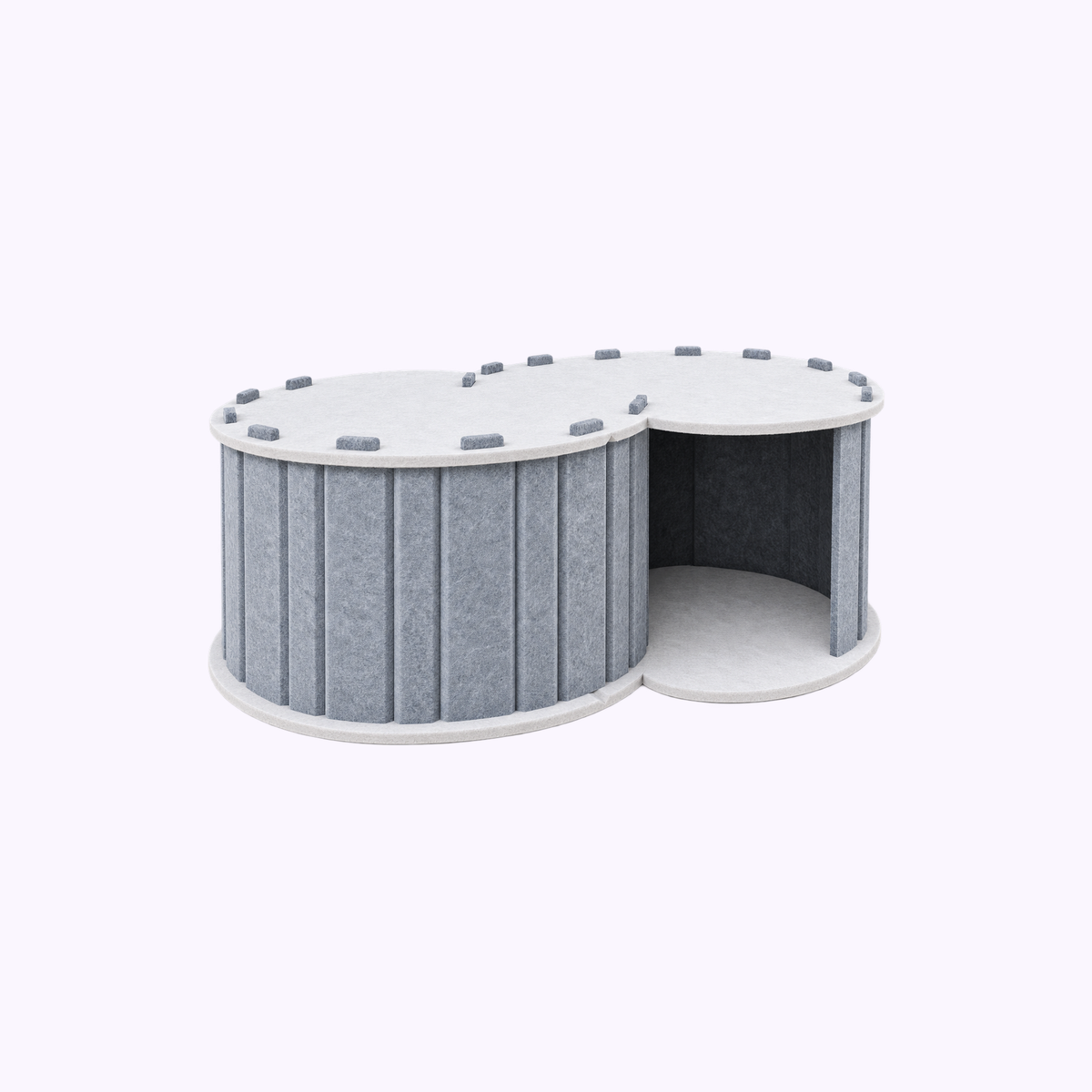
- ✔ Example: XL Felt Pad or 3-in-1 Cube (flat mode)
2. Add a Thermal or Heated Layer
- ✔ Use vet-safe heating pads or warming discs
- ✔ Always place under a layer, not directly against your cat
- ✔ Provides consistent, gentle warmth
3. Add Soft Top Layers
- ✔ Use fleece, sherpa, or wool-like materials
- ✔ Helps trap heat and improve comfort
- ✔ Rotate occasionally to maintain cleanliness and scent
4. Enclose the Space When Possible
- ✔ Use caves or enclosed beds to trap warmth
- ✔ Helps block drafts and reduce heat loss
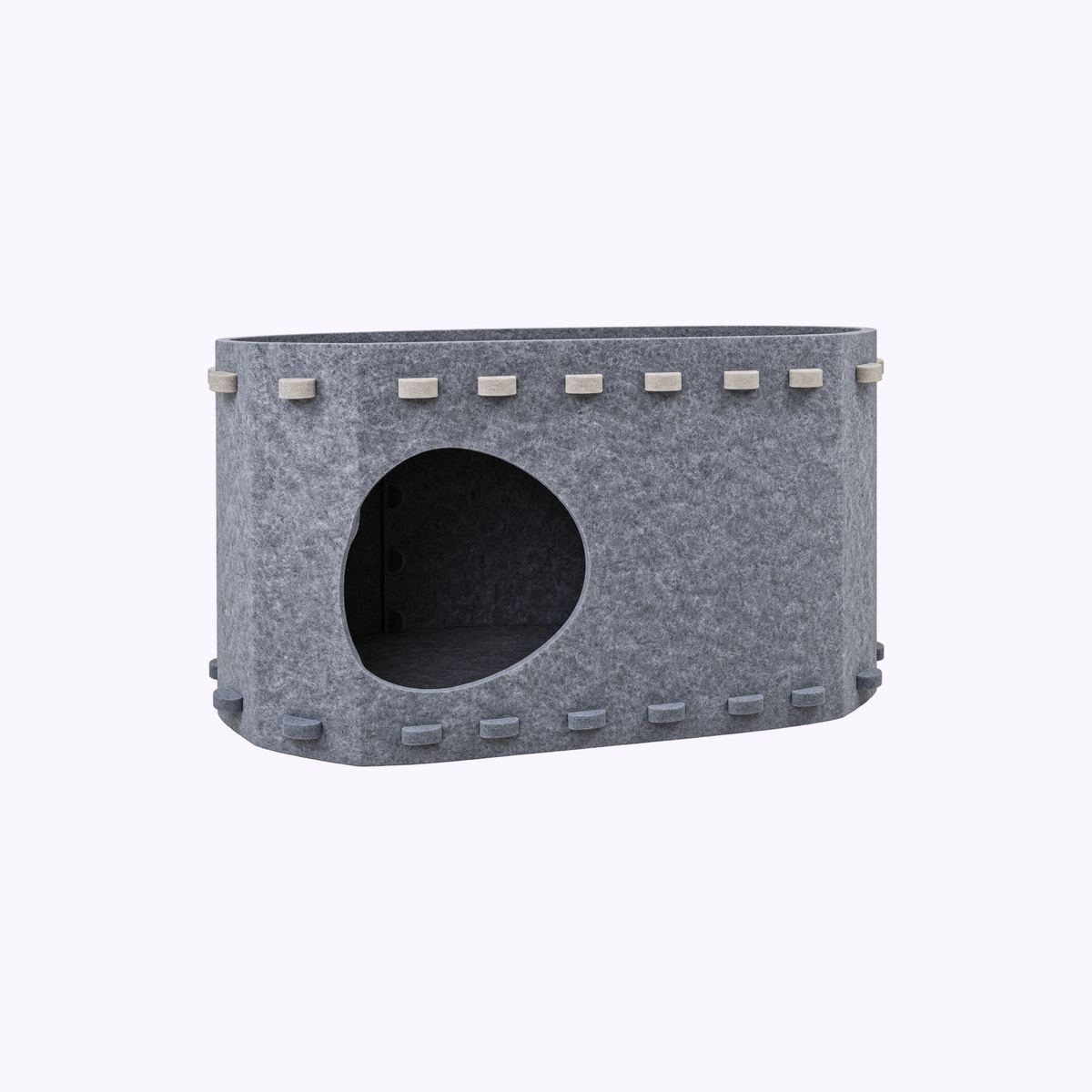
- ✔ Example: Uluru Felt Cave or felt houses
🎯 Placement Tip
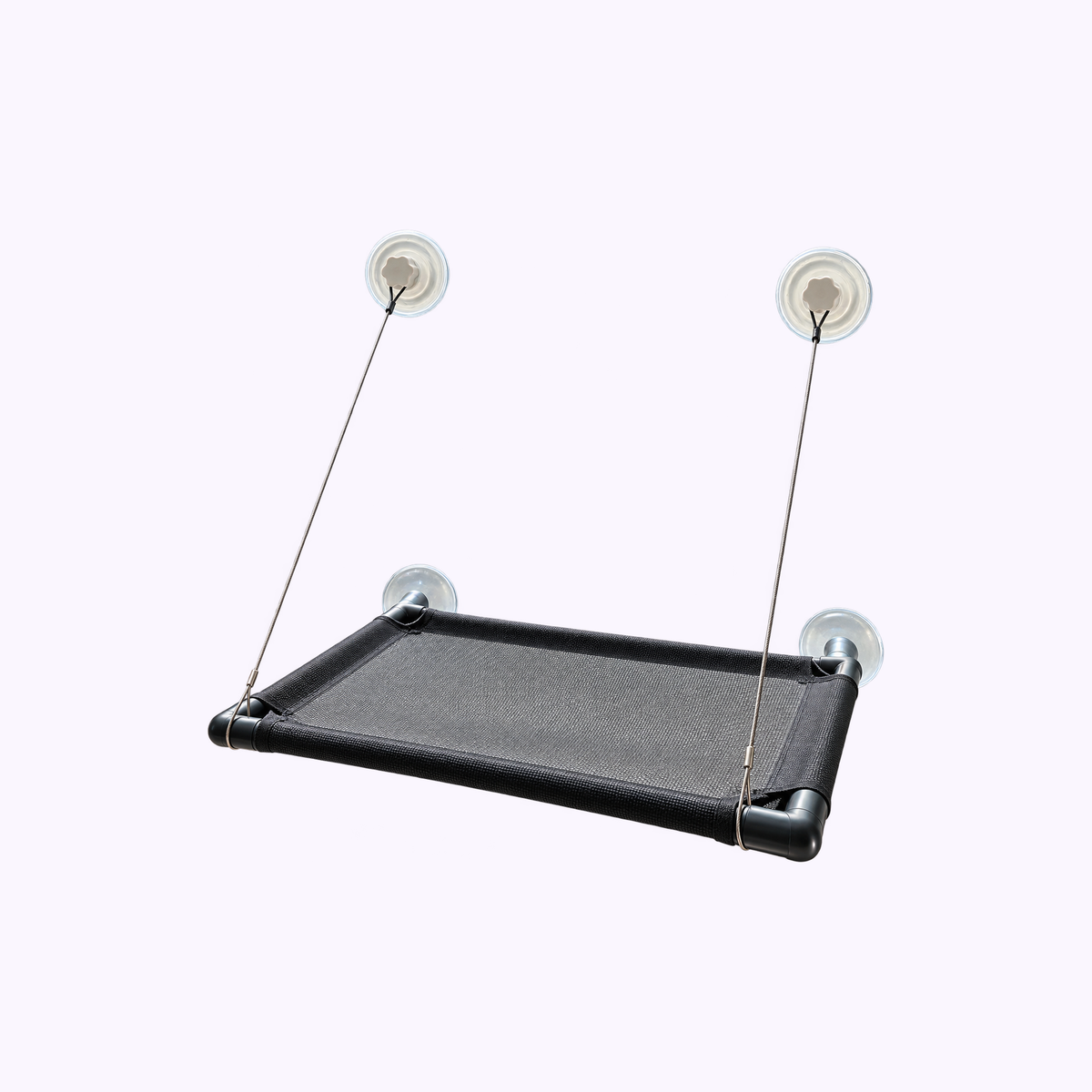
- ✔ Elevate beds off cold floors using rugs, shelves, or low furniture
- ✔ Position near warm areas like sunlight or radiators
🧺 Purrz Layering Setups
🐾 Seniors or Arthritic Cats
- ✔ XL Felt Pad + heated layer + fleece top
- ✔ Place in a quiet, warm corner
- ✔ Supports joints and improves circulation
🐾 Shy or Anxious Cats
- ✔ Uluru Felt Cave + soft inner lining
- ✔ Add familiar scent (shirt or toy)
- ✔ Creates a secure, insulated retreat
🐾 Kittens or Cold Floors
- ✔ 3-in-1 Cube (half-cave mode)
- ✔ Add warming disc underneath
- ✔ Combines warmth with security
🧠 Vet Insight — Dr. Duncan Houston
“In colder environments, warmth improves circulation, sleep quality, and behavior. Layered, insulated sleep spaces are especially important for senior or sensitive cats.”
🐾 Final Takeaway
- ✔ Layering a cat bed improves warmth and comfort
- ✔ Helps reduce stiffness and stress
- ✔ Supports better sleep and daily wellbeing
Small changes in your cat’s sleep setup can make a significant difference in colder conditions.
🛒 Shop Winter-Ready Comfort
- 🛏️ XL Felt Pad
- 🧣 Uluru Felt Cave
- 🔁 3-in-1 Cube
😽 Browse the full winter collection
About the Author
Hello! I’m Dr. Duncan Houston, BVSc — an emergency care veterinarian, pet product designer, and pet parent to Gary, Kiko, and Bridie, a mix of big personalities with strong opinions and some of my best product testers. My work is shaped by what I see daily in practice — how animals behave under stress or boredom, what comforts them, and what truly supports their wellbeing. With over a decade in animal nutrition and product development, I founded Woopf and Purrz to create pet products grounded in veterinary expertise and built around natural behavior — designed to improve comfort, reduce stress, and encourage healthy play and interaction.

Frequently Asked Questions
Do cats get cold indoors?
Yes. Many indoor environments are below a cat’s preferred temperature range, especially in winter.
What is the best way to keep a cat warm?
✔ Layered bedding with insulating and soft materials
✔ Warm placement near sunlight or heat sources
✔ Enclosed beds to retain warmth
Are heated beds safe for cats?
Yes, if they are pet-safe and used with proper layering. Never place heating elements directly against your cat.
Do older cats need extra warmth?
Yes. Senior cats are more sensitive to cold and benefit from warm, supportive bedding.
Where should I place a warm cat bed?
In a quiet, draft-free area, ideally near natural warmth like sunlight or radiators.
Recommended by Dr Duncan
Designed by Dr Duncan Houston for what you have just read about.