


Keeping your cat happy and healthy goes beyond feeding and playtime—proper litter box management is essential. Many cat owners underestimate how particular cats are about their bathroom habits, and this can lead to stress, inappropriate elimination, and even behavioral problems. Understanding how many litter boxes your cat needs, where to place them, and how to maintain them is key to a harmonious home.
The “One Plus One” Rule: How Many Litter Boxes Are Enough?
A simple rule of thumb recommended by veterinarians and cat behaviorists is:
“One litter box per cat, plus one extra.”
-
1 cat → 2 litter boxes
-
2 cats → 3 litter boxes
-
3 cats → 4 litter boxes
Why This Matters
Cats are territorial creatures and can be very particular about their elimination areas. If a litter box is dirty or another cat uses it, they may refuse to go there. Having an extra litter box:
-
Ensures a clean option is always available
-
Reduces stress and anxiety
-
Prevents territorial disputes in multi-cat households
This extra box is particularly important in homes with multiple cats, as it allows shy or submissive cats to have their own space.
Choosing the Right Location
Placement is just as important as the number of litter boxes. Consider the following tips:
-
Quiet, low-traffic areas: Cats prefer privacy, so avoid placing litter boxes in busy areas like hallways or kitchens.
-
Separate from food and water: Cats instinctively avoid eliminating near their eating areas.
-
Accessible locations: Ensure your cat can easily reach the box at all times, especially older cats or those with mobility issues.
-
Multiple floors: If you have a multi-story home, place litter boxes on each floor to make access easier.
Litter Box Types and Cat Preferences
Cats can be very picky about the type of litter box and litter. Consider:
-
Covered vs. uncovered boxes: Some cats like privacy, while others feel trapped and prefer an open box.
-
Size matters: Larger cats need more room to turn around comfortably.
-
Litter preferences: Many cats prefer fine, unscented clumping litter. Experiment carefully to see what your cat likes.
Observing your cat’s behavior can help you determine their preferences and prevent litter box avoidance.
Cleaning and Maintenance
Keeping litter boxes clean is crucial for hygiene and to prevent inappropriate elimination:
-
Scoop daily: Remove solid waste and clumps of urine every day.
-
Change litter regularly: Completely replace clumping litter every 2 to 4 weeks, or more often with several cats.
-
Clean the box: Wash the box with mild soap and water during litter changes. Avoid strong chemicals or scents that may deter your cat.
-
Monitor usage: If you notice your cat is avoiding the box, it could indicate stress, illness, or that the box is too dirty.
Special Considerations for Multi-Cat Households
-
Multiple boxes in different locations prevent competition and reduce stress.
-
Observe dynamics: Some cats may dominate certain boxes, so having extras ensures subordinate cats have access.
-
Introduce new boxes gradually: If adding a new box, place it in a neutral area and monitor usage.
Behavioral and Health Insights
-
Litter box avoidance can be a sign of stress, illness, or dissatisfaction with the litter setup.
-
Sudden changes in bathroom habits may indicate urinary tract infections, kidney issues, or other health problems. Always consult a veterinarian if problems persist.
-
Behavioral enrichment: Provide scratching posts, perches, and safe hiding spots to reduce stress, which also helps with litter box use.
Key Takeaways
-
Follow the “one plus one” rule: One litter box per cat, plus an extra.
-
Provide privacy and accessibility: Quiet areas, separate from food and water.
-
Observe preferences: Consider box type, size, and litter texture.
-
Maintain cleanliness: Scoop daily, wash weekly, and monitor usage.
-
Monitor health: Changes in litter box habits can indicate medical issues.
-
Reduce stress in multi-cat homes: Multiple boxes in different locations prevent conflicts.
Providing enough litter boxes in the right places, maintaining them diligently, and paying attention to your cat’s preferences ensures a stress-free, hygienic, and happy home for your feline companions.
Recommended by Dr Duncan
Designed by Dr Duncan Houston for what you have just read about.
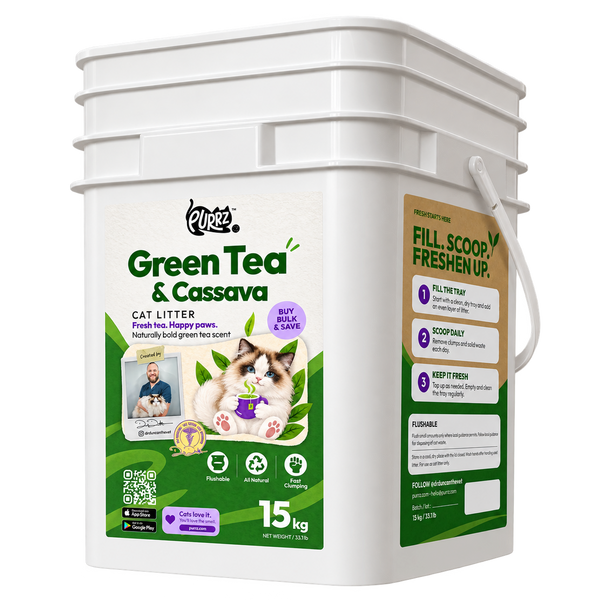 Litière Thé Vert & ManiocShop
J’ai toujours pensé que la litière devait être suffisamment sûre pour que, si…
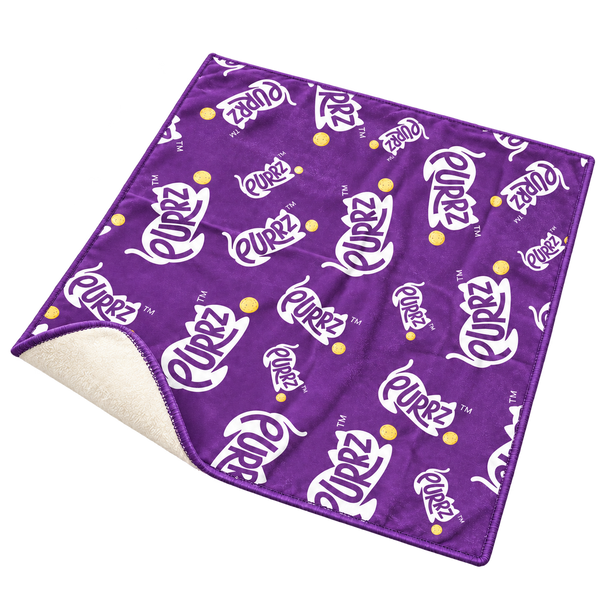 Enveloppement Collant CâlinShop
Enveloppement de contention pour chat auto-adhésif XXL 90×90cm, fabriqué en…


