


Scratching is a natural behavior for cats. They scratch to mark their territory, stretch their muscles, and remove the dead outer layers of their claws. While this behavior is instinctual, it can be frustrating when your cat targets your furniture. Fortunately, there are many ways to redirect this behavior without punishing your cat.
Provide Alternatives
1. Scratching Posts and Boards
Offer a variety of scratching surfaces such as posts, boards, or mats. These can be vertical, horizontal, or inclined and made from materials like sisal, carpet, cardboard, or wood. Place them near the furniture your cat currently scratches to make the transition easier.
2. Catnip
Sprinkle catnip or use catnip sprays on the scratching posts to make them more appealing. Many cats are naturally attracted to catnip, which encourages them to use the posts instead of furniture.
Training and Positive Reinforcement
3. Paw Guidance
Gently place your cat’s paws on the scratching post to mimic scratching. Reward them with treats, verbal praise, or petting when they use it voluntarily. Avoid forcing the cat, as this can create fear or stress.
4. Reward Desired Behavior
Whenever your cat chooses the scratching post over furniture, reinforce it positively. Consistent rewards help them associate the posts with positive experiences.
Furniture Protection
5. Covers and Deterrents
Use textures cats dislike—like plastic, foil, or double-sided tape—on the furniture they target. Clear sticky strips are especially useful on edges and corners.
6. Anti-Scratch Sprays
Pet-safe sprays with odors that cats dislike can help deter scratching on furniture.
7. Feliway
Feliway is a synthetic pheromone spray that mimics a cat’s facial pheromones, creating a calming effect. Spraying furniture with Feliway may reduce scratching. A newer product, Feliway Friends, can also help reduce stress-related scratching.
Claw Management
8. Regular Claw Trimming
Keep your cat’s claws trimmed to reduce damage to furniture. A vet or professional groomer can demonstrate safe trimming techniques.
9. Soft Claw Covers
Products like Soft Paws are soft plastic caps that attach to a cat’s claws and prevent damage. These typically need replacement every 4–6 weeks and should be applied under vet guidance.
Patience is Key
Punishing your cat for scratching can be counterproductive and damage your relationship. Be patient, consistent, and provide appealing alternatives. Over time, your cat will naturally prefer scratching posts to your furniture.
Tip: Observe where your cat likes to scratch most and place multiple posts or mats in those areas. Height, texture, and location are important factors in encouraging proper scratching behavior.
Recommended by Dr Duncan
Designed by Dr Duncan Houston for what you have just read about.
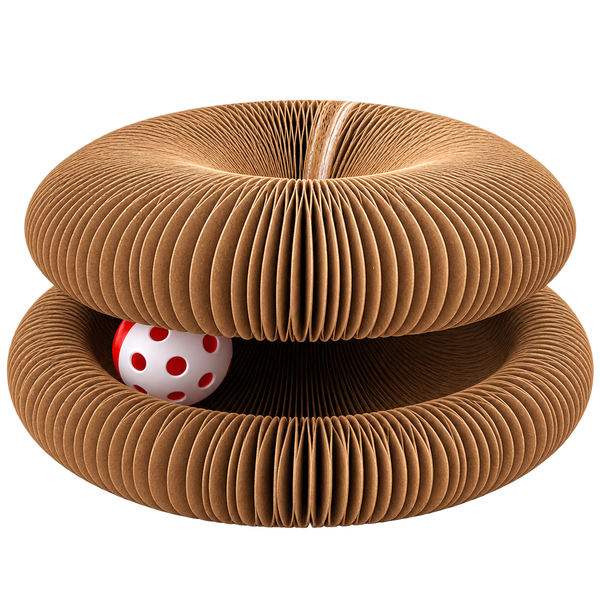 Jouet pour chat Expand & FlexShop
J'ai conçu le PURRZ Expand & Flex parce que griffer n’est pas une « mauvaise…
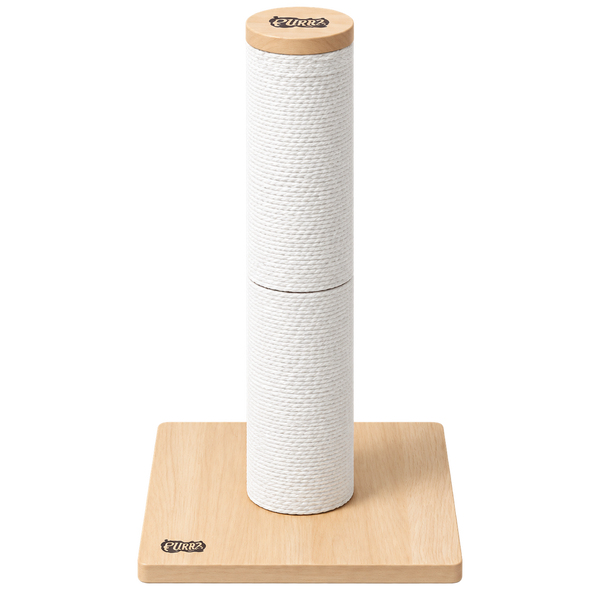 Griffoir Scratch Me HappyShop
Le grattage est l’un des comportements les plus mal compris chez les chats. Ce…
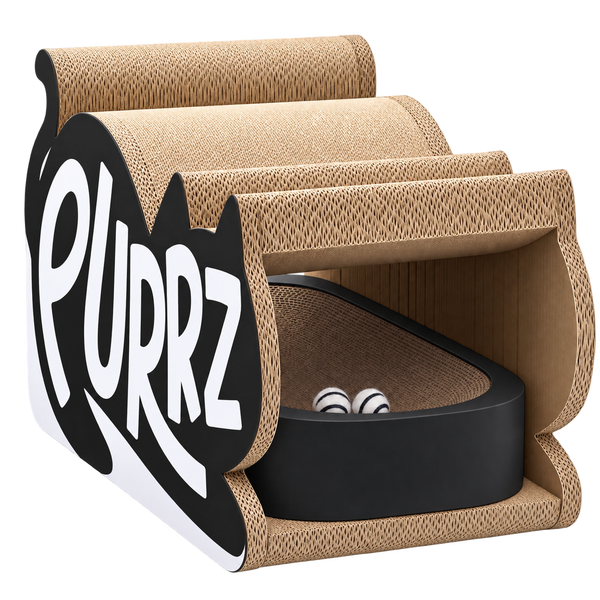 Tunnel géant pour chat, salon griffoir et set de balles en laineShop
S’il y a une chose que je recommande systématiquement pour les chats…


