Cats peeing inside can be frustrating, but it’s often a sign of an underlying issue. Understanding the root cause is the first step toward solving the problem. Here are the common reasons cats urinate indoors and how to address them:
1. Medical Issues ⚕️
Urinary tract infections (UTIs), kidney disease, diabetes, or other health problems can lead to inappropriate urination. If your cat suddenly starts peeing inside, schedule a check-up with your veterinarian to rule out medical causes. Early diagnosis is crucial for your cat’s health. 🩺
2. Dirty Litter Box 🧹
Cats are naturally clean animals. A dirty litter box can deter them from using it. Scoop the litter daily and completely change the litter at least once a week (or according to the manufacturer’s instructions). Maintaining a clean litter box encourages consistent use. ✨
3. Not Enough Litter Boxes 🏠
The rule of thumb: one litter box per cat, plus one extra. Ensure boxes are placed in quiet, easily accessible areas around your home. Multiple boxes reduce competition and stress, especially in multi-cat households. 🐾
4. Stress or Anxiety 😿
Changes in the home—new pets, visitors, moving furniture, or conflicts with other cats—can trigger indoor urination. Identify and minimize stressors, and provide safe, cozy spaces where your cat can retreat and relax. 🌿🛋️
5. Territorial Marking 🏡
Cats may spray urine to mark their territory, particularly in multi-cat homes or when outdoor cats are nearby. Spaying or neutering can reduce marking behavior. You can also use synthetic pheromone sprays or diffusers, like Feliway, to create a calming environment. 🌸
6. Litter Box Preferences
Cats can be picky about litter type, box style, or location. Offer different litter types (clumping, non-clumping, unscented), and test various box styles and placements. Find what your cat prefers to encourage consistent use. ✅
7. Negative Associations ⚠️
If a cat had a bad experience in the litter box—being startled or feeling pain—it may develop an aversion. Reintroduce the box gradually, using positive reinforcement like treats and praise when your cat uses it correctly. 🎉
When to Seek Professional Help 🐾
If indoor urination persists despite addressing the common causes above, consult a veterinarian or cat behaviorist. Persistent urination may indicate a medical or behavioral problem that requires specialized intervention.
By carefully observing your cat, maintaining clean litter boxes, reducing stress, and addressing medical issues, you can help your feline friend feel secure and encourage them to use the litter box consistently. 🐱💖
Recommended by Dr Duncan
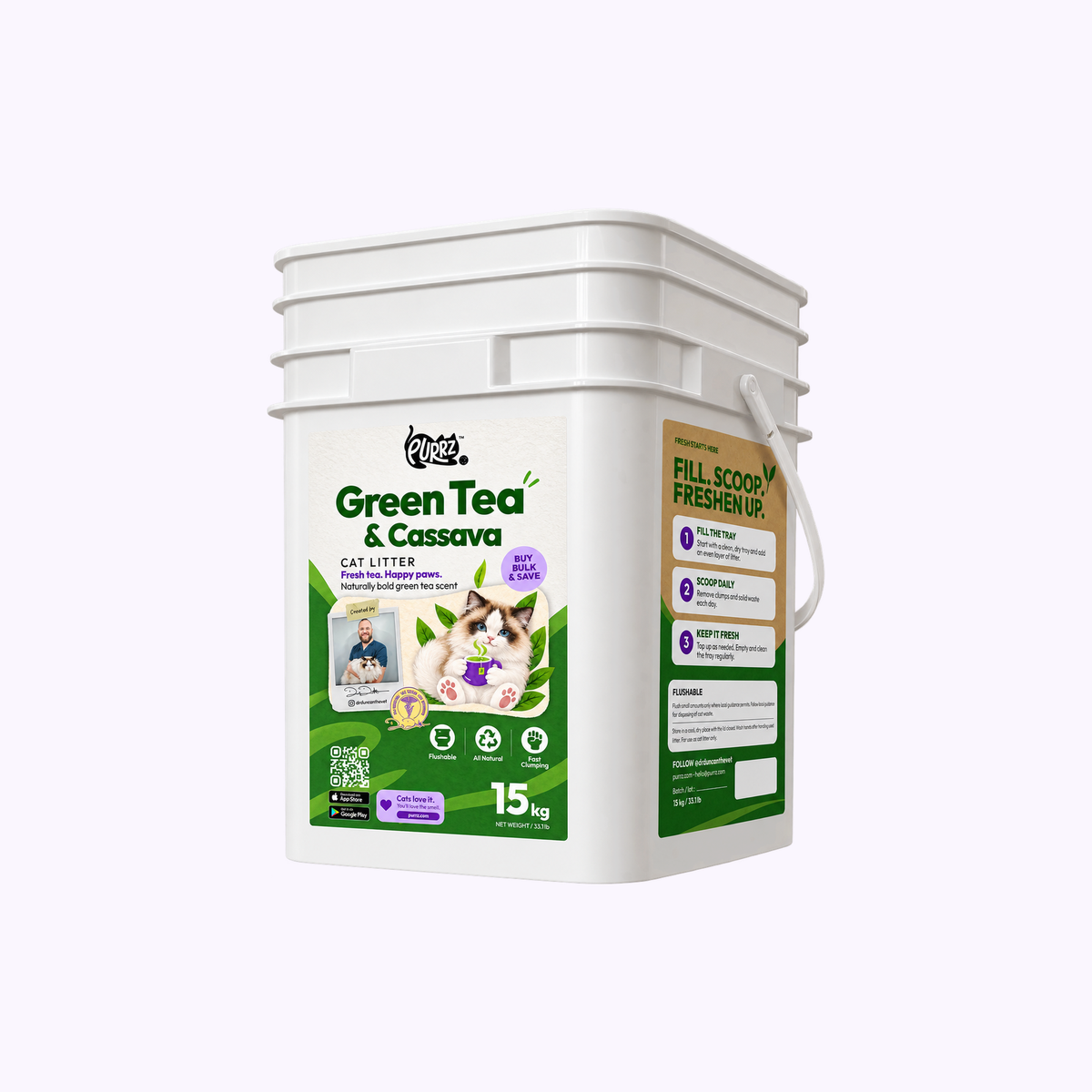
Designed by Dr Duncan Houston for what you have just read about.