


You bought the cute bed. Your kitten picked the laundry basket, the back of the couch and, at 3am, your face.
Good news: getting a kitten to use their own bed doesn't take tough love. It takes the right bed in the right spot, a bit of routine, and not making 3am the best part of their day.
Quick answer
Choose a warm bed your kitten can tuck into, with a low way in. Put it somewhere quiet, near where they already nap but not on it, away from food and the litter tray. Add bedding that smells of their old home, let them find it, and keep the same wind-down routine every night: play, food, lights down.
Why won't my kitten sleep in their bed?
- It's in the wrong spot. Busy, drafty, or right next to the food bowls or litter tray.
- It doesn't smell like home. Everything in your house is new, and a bed that smells of nothing isn't much of a draw.
- It's too open. Kittens usually like somewhere to tuck in: high sides to keep drafts out and a low front to get in.
- They're not tired yet. Cats are naturally most active around dawn and dusk. Kittens can learn to fit their sleep around your day, but it takes a little time.
- You're warmer and more interesting. Fair enough, really.
- They're still settling in. A new home is a lot to take in.
Where should the kitten's bed go for the first nights?
There's no single right room. The spot should be quiet, out of drafts, easy to get into, and away from the litter tray and food bowls.
Dr Duncan's advice: Usually, put the bed near where they sleep. Don't put it on top of where they currently sleep.
- Start small. Settling a new kitten in one quiet room makes it easier for them to learn where they eat, drink, sleep and go to the toilet.
- Pick the quietest corner of that room for the bed, ideally close to where your kitten has been napping.
- Another room is fine. Cat welfare experts are clear that there's nothing cruel about a kitten sleeping in a cozy, warm, secure spot in another room until you wake up.
- Or your bedroom floor. If you'd rather have them close, put their bed on the floor near yours, not on your bed.
How to train your kitten to sleep in their own bed
-
Choose a bed they can tuck into. High sides keep drafts out, a low front makes it easy to climb in, and an igloo or cave style gives a shy kitten somewhere to hide.
- The PURRZ™ Cubby Cave is a hooded bed, open across the front, with a low rolled rim so a kitten gets in without a climb.
- The PURRZ™ 3-In-1 Cave folds into a closed cave with a round door, an open bed with walls on three sides, or a seat, and the cushion lifts out for the wash. Handy while you work out whether your kitten is a hider or a sprawler.
- The PURRZ™ Deluxe Donut Bed is a round plush bed with a wall all the way round and no electrics: "the plush and the wall hold the heat your cat gives off, the way a duvet does."
- Put it near where they already nap. Your kitten will pick favorite spots fast. Put the bed close to one of them, not on top of it, rather than where you'd like it to be.
- Add the smell of home. Ask the breeder or shelter for a blanket your kitten has been sleeping on, and put it in the bed.
- Let them find it. Don't carry your kitten in and hold them there. Leave the bed be and give it time: the Cubby Cave's own setup notes say "give it two weeks". When they do curl up in it, let them sleep, and don't wake them for a cuddle.
- Build a wind-down routine. Play, then food, then lights down, at about the same time each night. A wand keeps those needle claws off your hands; the PURRZ™ Feather Toy Wooden Handle Wand Set is described on its page as "the first wand for a kitten". Let them catch it at the end, then serve dinner.
- Put the wand away afterward. Kittens shouldn't be left alone with toys that have string or elastic, which can get caught around a neck or leg.
- Keep it the same every night. Same bed, same spot, same routine.
- Make nights boring. If your kitten wakes and wanders, keep it low-key: check the water, litter tray and bed quietly, then lights back off. One game at 3am and you've got a standing date.
Can my kitten sleep in my bed?
It's your call, and plenty of people love it.
Dr Duncan's advice: Yes and no. They can bring in bacteria, parasites and dead animals from hunting, but it does mean they get close to you.
A few more things to weigh up:
- Habits start early. Having a kitten close at night from the start can set up night-time games and excitement, and not much sleep for you.
- Be consistent. It's easiest to set the routine you want long term from day one. If the plan is "not in our bed", start that way, rather than allowing it for a week and then shutting the door.
- Close, but not in your bed. If you want them near without sharing, a bed on your bedroom floor is the middle ground.
- The health side. For more on hygiene and health when you share a bed with pets, read Is It Safe to Sleep With Your Pet? on ASK A VET™.
When it's not a sleep problem
Settling in can take a while, but a kitten who still isn't eating or using the litter tray after the first day, or who seems unwell, needs a call to your vet, not more bed training.
Either way, it's worth booking a vet check a few days after you bring your kitten home.
Common mistakes
- Putting the bed right on top of where they sleep now. Put it near that spot, not on it.
- Bed next to the litter tray or food bowls. Keep sleeping, eating and toileting spots apart.
- Moving the bed every night. Pick a spot and stick with it.
- Carrying them back in every time they climb out. Let them choose it.
- A huge, open bed for a tiny kitten. Snug, with a low way in, usually wins.
- Making 3am fun. Play and food at night teach a kitten that night is the time for play and food.
- Mixed messages. Your bed on Tuesday and a shut door on Wednesday make the routine harder to learn.
Set up for the long run
- Decide the house rules on day one (bedroom, your bed, the couch) and get everyone at home on the same page.
- Add beds as they grow. Once your kitten has the run of the house, extra beds in favorite spots give them options.
- Two cats? Plan one bed per cat, plus one.
FAQs
Should my kitten sleep in a crate at night?
Some owners use one and some don't. If you're weighing it up, our guide to crate training for kittens covers when it can help.
What do I do when my kitten cries at night?
Check the basics quietly: water, litter tray, a warm bed. Then keep it calm and boring rather than starting a game. If the crying comes with not eating, not using the tray or seeming unwell, call your vet. There's more in how to help your kitten sleep through the night.
How long does it take a kitten to get used to their own bed?
It varies. Give it a couple of weeks of the same bed, same spot and same routine before you decide it isn't working. If it still isn't, try a different spot, or a different style (enclosed or open), before anything else.
Can two kittens share a bed?
Yes. Cats that get on, often siblings, will rest and sleep together. The PURRZ™ Cubby Cave in Medium is sized for "two kittens for now", and the Large Deluxe Donut Bed takes "two cats who sleep together". As they grow, aim for one bed per cat plus one.
Keep going
A kitten who sleeps happily in their own bed is a kitten who feels safe in your home. Get the spot right, keep the routine boring in the best way, and let them choose it.
For settling a new kitten in, from the first room to introductions and health checks, read Bringing a New Kitten Home: Safe Settling and Introductions on ASK A VET™.
Recommended by Dr Duncan
Designed by Dr Duncan Houston for what you have just read about.
 Sneak & Slay TunnelShop
Some cats want a bed. Some want a hiding spot. Some want a tunnel they can…
 Window HammockShop
Alright, real talk — cats love a window. It’s basically their personal TV
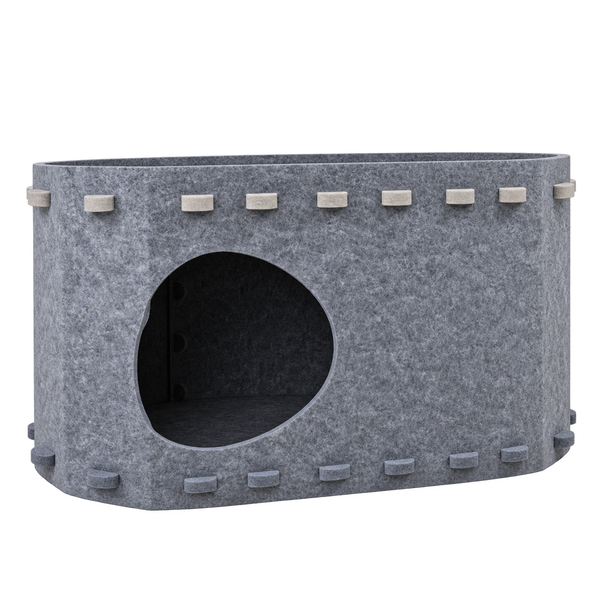 Al-Cat-Raz CaveShop
Some cats want a cave. Some want a tunnel. Some want both


