


Your once-sleepy, snack-happy kitten is suddenly racing through the house at 2am, leaping onto shelves, and outgrowing their favorite bed. Welcome to adolescence.
So when does your kitten officially become a cat? And what do you actually need to change as they grow?
This guide breaks down key age milestones, when to switch beds, food, and routines — and how to support your cat through their growth spurt (without losing your mind).
Life Stage Milestones
- 0–8 weeks: Neonatal
- 8–16 weeks: Early kitten
- 4–6 months: Juvenile (big growth)
- 6–12 months: Teenager (agile + independent)
- 12+ months: Adult cat — new routines, body, and needs
Most cats reach full size by 12–18 months. But behavior can mature more slowly — especially in rescues or shy cats.
When to Change Their Food
- Start introducing “all life stages” food by 6–8 months
- Reduce overall calories once growth slows (12–14 months)
- Maintain a high protein, low carb, moisture-rich diet as they transition — just feed to condition, not size
No need to switch formulas if you’re already feeding Ziwi, Feline Natural, or raw — just adjust amounts.
When to Upgrade Their Bed
- If they no longer fit in their Donut Bed or cave
- If they’re sleeping more stretched out or elevated
- If they need a multi-purpose sleep/play solution
Recommended upgrades:
- 3-In-1 Cave – flexible for adult lounging
- Flat felt pad – for stretching out in windows or sun spots
- Felt Houses – offer play and napping zones in one
Sleep & Behavior Changes
As they grow, cats:
- Sleep slightly less (12–16 hours/day vs 16–20)
- Choose higher or more exposed nap spots (vs enclosed caves)
- Become more territorial — multiple beds may reduce conflict in multi-cat homes
Enrichment Needs Shift Too
- More climbing, jumping, and vertical movement
- Require structured play sessions — not just toys tossed on the floor
- Still benefit from puzzle feeders, hideouts, and new textures
Keep them engaged with:
- Felt tunnels or houses
- 3-In-1 Cave used for ambush + sleep
- Wand toys + rotating solo toys
From Dr Duncan Houston
“Most cats aren’t fully mature until 12–18 months. That’s when routines, diet portions, and sleep spaces should evolve — but slowly. What they need most is consistency with better-fitting tools.”
Explore upgraded beds, caves, and furniture for growing cats at PURRZ
Recommended by Dr Duncan
Designed by Dr Duncan Houston for what you have just read about.
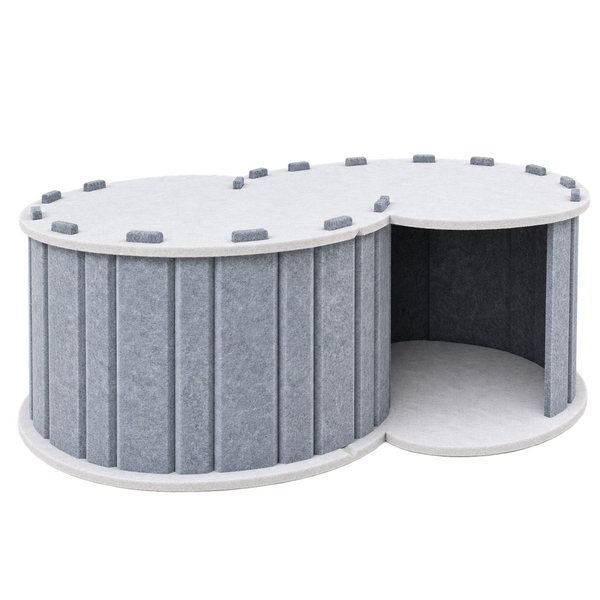 Sneak & Slay TunnelShop
Some cats want a bed. Some want a hiding spot. Some want a tunnel they can…
 Window HammockShop
Alright, real talk — cats love a window. It’s basically their personal TV
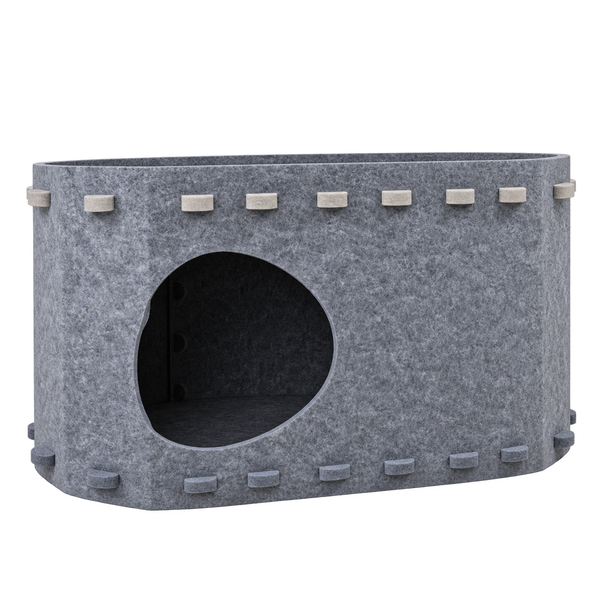 Al-Cat-Raz CaveShop
Some cats want a cave. Some want a tunnel. Some want both


