


Catnip is one of the most fascinating and beloved herbs in the feline world. As a cat parent, understanding whether catnip is safe, its effects, and how to use it responsibly can help you provide enrichment while keeping your cat healthy and happy.
What Is Catnip?
Catnip, scientifically known as Nepeta cataria, belongs to the mint family and is also called catswort or catmint. Native to Europe and Asia, catnip has long been associated with unusual feline behaviors, from rolling and rubbing to playful bursts of energy.
The active compound, nepetalactone, interacts with receptors in a cat’s nose, triggering reactions similar to pheromone responses. These responses can include:
-
Playfulness and hyperactivity
-
Rolling or rubbing against objects
-
Temporary relaxation or calm
Notably, sensitivity to catnip is hereditary—about one-third of cats show little to no reaction.
Is Catnip Safe?
For most cats, catnip is completely safe. Reactions typically last 10–15 minutes before wearing off naturally. Used in moderation, catnip can provide:
-
Mental and physical stimulation
-
Stress relief for indoor cats
-
Encouragement for scratching posts, beds, or new toys
However, excessive consumption may lead to mild gastrointestinal upset, such as vomiting or diarrhea. Overexcited cats might also sustain minor injuries during play.
Using Catnip Responsibly
-
Moderation is key: Offer catnip in small amounts or short sessions.
-
Monitor reactions: Observe your cat for signs of overexcitement or digestive issues.
-
Variety in usage: Catnip comes in dried form, sprays, toys, or treats. Rotate these options to maintain interest.
-
Behavioral enrichment: Use catnip to encourage healthy behaviors like scratching posts, play, or training for new environments.
Benefits of Catnip
-
Mental stimulation: Prevents boredom and reduces stress in indoor cats.
-
Physical activity: Promotes exercise through playful bursts.
-
Training tool: Helps acclimate cats to new spaces, toys, or furniture.
When to Avoid Catnip
-
Cats with sensitive stomachs may react poorly to ingestion.
-
Overexcited cats may require supervision to prevent minor injuries.
-
Always consult your veterinarian if you notice unusual reactions or pre-existing health conditions.
Final Thoughts
Catnip is a safe and enriching tool for most cats when used wisely. Understanding your cat’s sensitivity, using moderation, and monitoring reactions ensures a safe and enjoyable experience. With the right approach, catnip can provide hours of mental stimulation, play, and relaxation—making it a valuable addition to your cat care routine.
Recommended by Dr Duncan
Designed by Dr Duncan Houston for what you have just read about.
 Teddy Mehrzweck-LaserspielzeugShop
Wenn Sie eine Wohnungskatze haben, wissen Sie bereits, wie es wirklich ist: Sie…
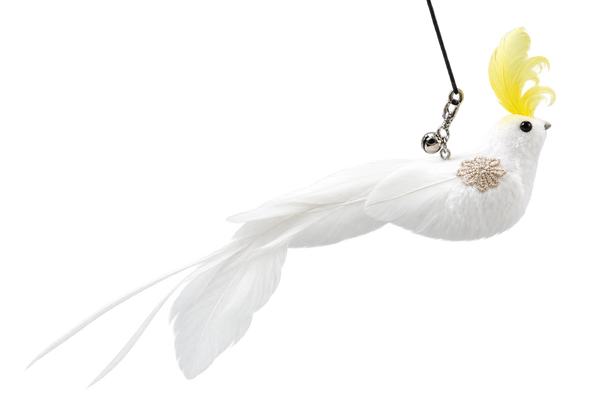 Cockatoo Chaos Feder-Spielzeug-Anhänger-Set (5er Pack / Vögel)Shop
Manche Katzen wollen nicht einfach „ein Spielzeug“ – sie wollen etwas, das sich…
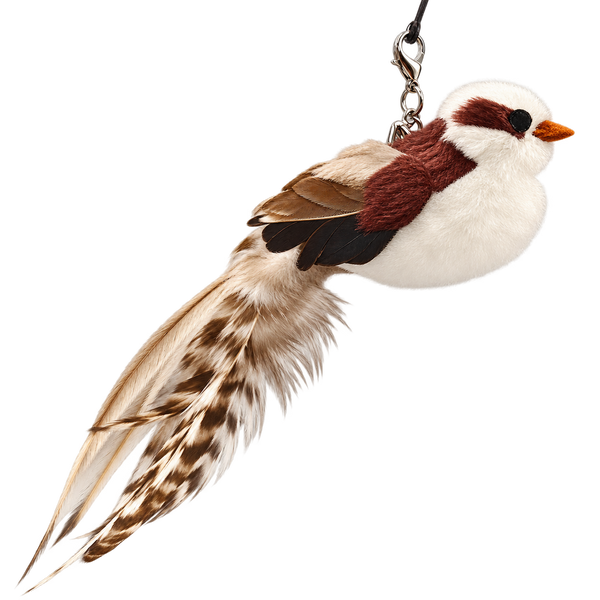 Kookaburra Craze Feder-Spielzeug-Anhänger-Set (5er Pack / Vögel)Shop
Manche Katzen wollen ein Spielzeug


