


Cats scratch for a variety of reasons, and while it may seem destructive at times, scratching is an essential and natural behavior for cats. It’s not just a playful habit — it’s a crucial part of their physical and emotional health.
Why Cats Scratch
Scratching serves several important purposes:
-
Maintain Healthy Claws
Scratching helps remove the outer sheath of a cat’s claws, keeping them sharp, strong, and ready for climbing or hunting. It’s like a natural manicure! -
Stretch and Exercise
Scratching stretches the muscles in a cat’s back, shoulders, and legs. It’s an important form of exercise, especially for indoor cats that may not run as much. -
Mark Territory
Cats have scent glands in their paws. When they scratch, they leave behind chemical markers that signal to other cats that this is their territory. This is an instinctive, evolutionary behavior. -
Stress Relief
Scratching is also a way for cats to relieve stress or express excitement. A cat scratching vigorously after a nap or during play is releasing pent-up energy. -
Mental Stimulation
Scratching posts or boards can challenge a cat’s mind, particularly if they have different textures or heights to explore. Cats are naturally curious, and scratching helps satisfy that instinct.
Encouraging Appropriate Scratching
Redirecting scratching behavior away from furniture requires providing attractive alternatives and using positive reinforcement. Here are some strategies:
-
Scratching Posts and Cat Trees
Cats love to fully stretch while scratching. Invest in tall, stable scratching posts or multi-level cat trees that allow your cat to reach comfortably and feel secure. -
Vertical and Horizontal Surfaces
Offer a variety of scratching options. Vertical posts are often favored for stretching, while horizontal mats or cardboard scratchers satisfy cats that prefer lying down while scratching. -
Catnip or Attractant Sprays
Enhance the appeal of your cat’s scratching post by sprinkling catnip or using a feline attractant spray. Many cats will gravitate toward these posts immediately. -
Positive Reinforcement
Reward your cat for using the scratching post with treats, praise, or playtime. Positive reinforcement strengthens good habits. -
Temporary Furniture Protection
Use deterrents like aluminum foil, double-sided tape, or plastic sheeting on furniture to discourage scratching. Many cats dislike these textures, redirecting them toward approved surfaces. -
Regular Nail Trimming
Trimming your cat’s nails regularly reduces damage and discomfort. If your cat is anxious about nail trims, try introducing them gradually with treats and gentle handling. -
Soft Paws or Nail Caps
Soft nail caps are a humane solution that prevents furniture damage while allowing cats to scratch naturally.
Creating a Cat-Friendly Environment
Cats are less likely to scratch destructively if their environment is enriched. A stimulating home helps reduce boredom, stress, and territorial behaviors:
-
Interactive Toys: Feather wands, laser pointers, and puzzle feeders keep cats physically and mentally engaged.
-
Climbing Spaces: Cat trees, shelves, or window perches give cats vertical territory to explore.
-
Hiding Spots: Boxes, tunnels, and cozy hideaways help cats feel safe and secure.
-
Rotation of Toys: Swap out toys every few days to maintain interest and prevent boredom.
-
Varied Textures: Provide scratching posts or mats made from sisal, cardboard, or carpet to appeal to your cat’s tactile preferences.
Advanced Tips and Tricks
-
Observe Preferences: Every cat has unique preferences. Some like cardboard, others sisal. Observe your cat’s behavior and provide options they prefer.
-
Create Multiple Stations: Place scratching posts near favorite sleeping spots or areas where your cat tends to scratch furniture.
-
Use Play as a Transition: If your cat scratches inappropriately, redirect them to a scratching post using a toy or interactive play session.
-
Combine Rewards with Routine: Regular play and consistent reinforcement help make scratching posts a natural choice.
When Scratching Becomes a Problem
Even with enrichment, some cats may persistently scratch inappropriate surfaces. Persistent destructive scratching may indicate:
-
Stress or anxiety
-
Territorial disputes with other pets
-
Boredom or insufficient stimulation
In these cases, consult a veterinarian or feline behaviorist to identify the underlying cause and develop a tailored plan.
Recommended by Dr Duncan
Designed by Dr Duncan Houston for what you have just read about.
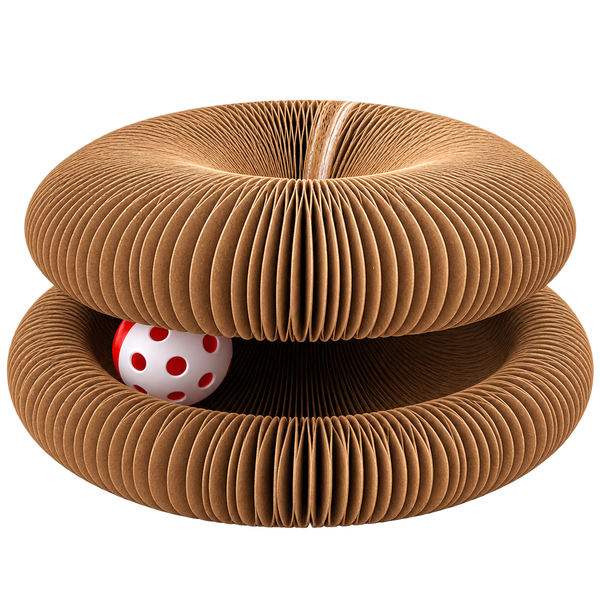 Juguete Expand & Flex para GatosShop
Diseñé el PURRZ Expand & Flex porque rascar no es un “mal hábito”, sino una…
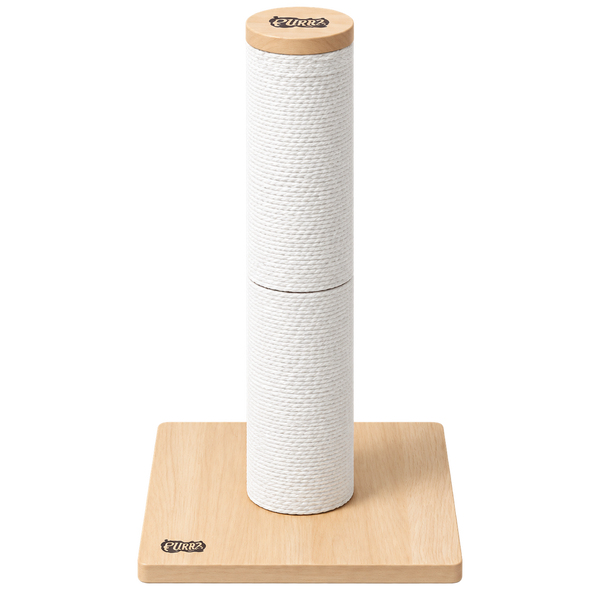 Rascador Scratch Me HappyShop
Rascar es uno de los comportamientos más malinterpretados en los gatos. No es…
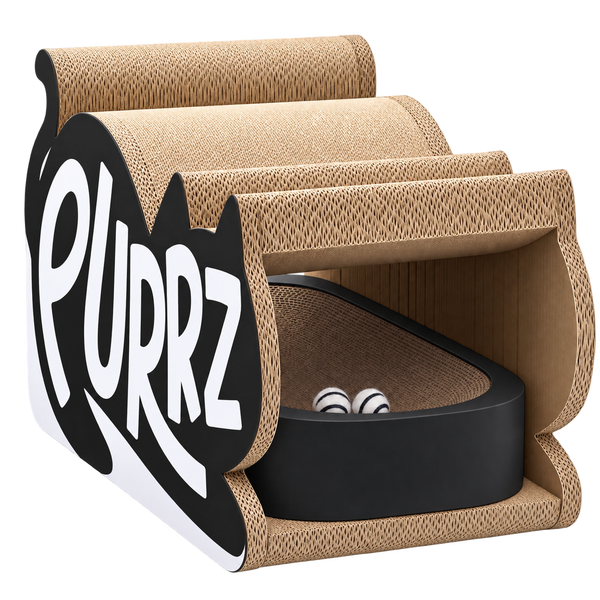 Túnel Gigante para Gatos, Rascador Lounge y Set de Bolas de LanaShop
Si hay algo que recomiendo constantemente para gatos de interior, es la…


