


Cats need restful, high-quality sleep to stay healthy — and when they’re not sleeping well, their entire body and mood suffer. The problem? Cats hide discomfort extremely well, and most sleep issues go unnoticed.
This article explores the subtle signs of disrupted sleep in cats, what causes it, and solutions to support better feline rest and wellbeing.
How Much Sleep Should a Cat Get?
Healthy adult cats sleep between 12–16 hours a day, often in polyphasic bursts — short naps throughout a 24-hour cycle[1]. Kittens and seniors may sleep even more — up to 20 hours.
Cats who feel unsafe, uncomfortable, or unwell may spend lots of time lying down but aren’t achieving restful, deep sleep (REM cycles).
Signs Your Cat Isn’t Sleeping Well
1. Restlessness
Frequent repositioning, short naps, or “fake” sleep may signal pain, stress, or discomfort.
2. Avoiding Their Bed
Cats avoiding their designated bed may find it unstable, too hot/cold, or not aligned with their natural preferences (e.g. open vs. enclosed)[2].
3. Nighttime Activity
Excessive vocalization or zoomies at night can point to unmet enrichment needs or sleep dysregulation — particularly in indoor cats[3].
4. Behavioral Shifts
Increased hiding, irritability, or aggression may be pain-related, and poor sleep is often a secondary symptom[4].
Common Causes of Poor Cat Sleep
- Uncomfortable bedding (too soft or wobbly)
- Bright lights or noise pollution
- Joint discomfort or undiagnosed medical conditions
- Stress, anxiety, or territory insecurity
- Lack of daytime activity or structure
How to Improve Cat Sleep (Vet Tips)
1. Choose the Right Bed
Matching your cat’s sleep style improves sleep time and quality. For example:
- Curler? → A felt cave
- Sprawler? → A flat felt pad
- Shape-shifter? → The 3-In-1 Cave
Felt provides structured support and temperature regulation for deep, uninterrupted sleep[5].
2. Improve Bed Location
- Choose quiet, low-traffic areas
- Use natural light to support circadian rhythms
- Avoid drafts and appliance vibrations
3. Add Comfort & Warmth
- Layer a heating pad (one your vet recommends) under senior beds
- Use enclosed beds for cats needing security
- Add their own scent (blankets or toys) to the bed
4. Enrich Their Routine
- Interactive toys and wand play before bed can help expend energy[6]
- Maintain consistent feeding and light schedules
From Our Vet: Dr Duncan Houston
"Poor sleep is one of the most underdiagnosed causes of behavior issues in cats. A stable bed and a calming space can restore REM cycles and improve your cat’s physical and emotional health."
PURRZ Vet-Recommended Beds
- 3-In-1 Cave
- Felt caves
- Flat felt pad
Recommended by Dr Duncan
Designed by Dr Duncan Houston for what you have just read about.
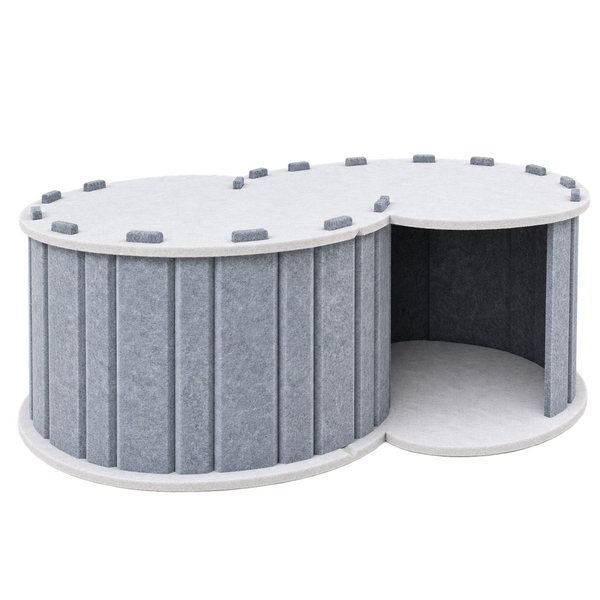 潜行猎杀隧道Shop
有些猫咪想要一张床。有些想要一个藏身之处。有些则想要一个可以像毛茸茸的鱼雷一样猛冲出来的隧道。所以我设计了PURRZ潜行与猎杀隧道,集所有功能于一身。它采用柔软…
 悬挂休闲猫吊床Shop
好了,实话实说——猫咪喜欢窗户。它基本上是它们的私人电视
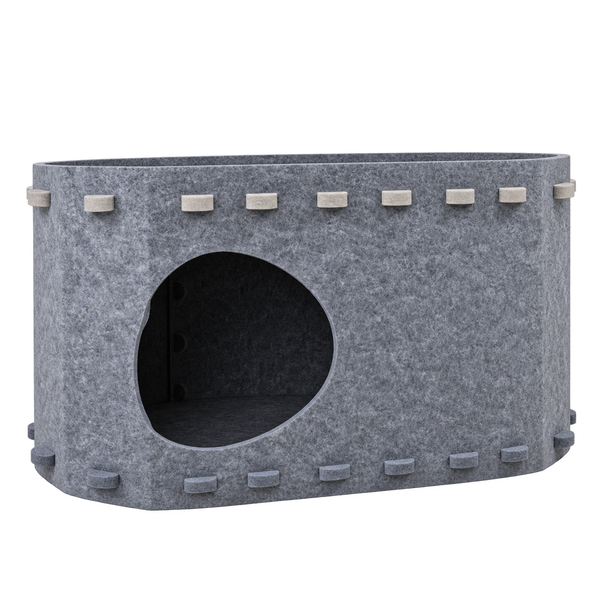 Al-Cat-Raz 椭圆形屋Shop
有些猫喜欢洞穴,有些喜欢隧道,有些两者都想要


