


Walk down any pet aisle and you’ll see a dozen “kitten-specific” formulas with bright colors, cartoon cats, and words like “growth” or “specialized support.”
But here’s the truth: kitten food branding is mostly marketing.
What kittens really need is species-appropriate nutrition — and that means food designed for a carnivore, not a cereal lover. Think less label, more meat.
What a Kitten’s Body Is Built to Eat
Kittens are born obligate carnivores. That means their entire digestive system evolved to handle:
- High animal protein (muscle, organs)
- Moderate to high fat (for growth + brain development)
- Little to no carbohydrates (they have no dietary carb requirement)
The best kitten diets are high in meat, moisture, and natural fats — and low in fillers like rice, corn, peas, potatoes, or lentils.
Best Diet Types for Kittens
1. Raw (Pre-Made or DIY)
- Most biologically appropriate
- Great for gut health, coat, and immune support
- Requires careful sourcing or pre-made raw brands (Ziwi, Feline Natural, Big Dog, or Balanced Prey models)
2. Air-Dried or Freeze-Dried Raw
- Less mess, same benefits
- Highly digestible and nutrient dense
- Brands: Ziwi, Feline Natural, Sunday’s, or single-protein freeze-dried options
3. High-Protein Wet Food
- Better than kibble, especially for hydration
- Look for options with ≥90% meat and named organ content
- Brands: Feline Natural, RAWZ, or Instinct Original (check label carefully!)
What About Kibble?
Kibble is convenient — but even “high protein” kibble often contains:
- 35–50% carbs (peas, corn, rice)
- Highly processed proteins and synthetic vitamins
A kibble-only diet can work in emergencies — but it’s not optimal for growth, hydration, or long-term health.
“Kitten-Specific” Food Myths
“Kitten food has special nutrients.”
Truth: Adult food labeled “All Life Stages” from a quality raw or meat-based brand meets or exceeds kitten needs — without fillers.
“Species-specific formulas are necessary.”
Truth: Unless treating a medical condition, cats don’t need a “breed” or “lifestyle” food. They need meat. Lots of it.
“You need dry food to clean teeth.”
Truth: Kibble doesn’t clean teeth. Chewing raw meaty bones or freeze-dried treats does.
From the Vet: Dr Duncan Houston
“Kittens don’t need cute packaging. They need high protein, high fat, low carb. What’s best for them is simple: meat-based, moisture-rich, and biologically appropriate from the start.”
Summary: Best Diet Types for Kittens (Ranked)
- Raw or pre-made raw (complete & balanced)
- Air-dried or freeze-dried raw (Ziwi, Feline Natural)
- High-meat wet food (with 90%+ animal ingredients)
- Kibble (only when no better option is available)
Coming up next: How to Transition Your Kitten to a Natural, Raw, or Air-Dried Diet
Recommended by Dr Duncan
Designed by Dr Duncan Houston for what you have just read about.
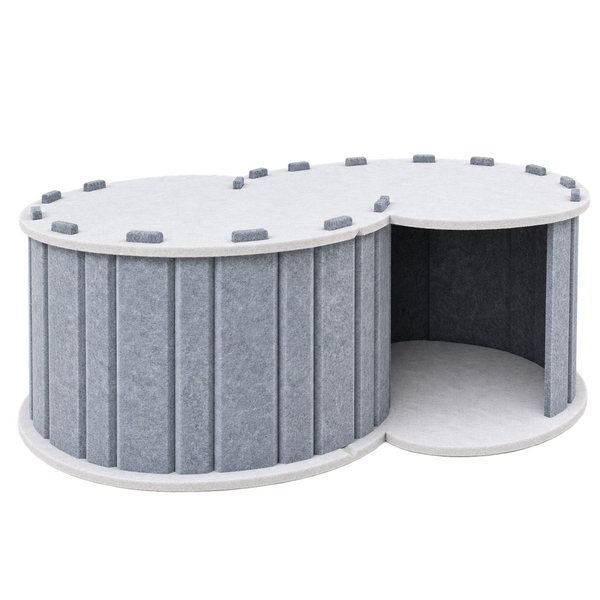 Túnel Sneak & SlayShop
Algunos gatos quieren una cama. Otros quieren un escondite. Algunos quieren un…
 Hamaca para Gatos Hang & ChillShop
Muy bien, hablando en serio: a los gatos les encanta una ventana. Es básicamente…
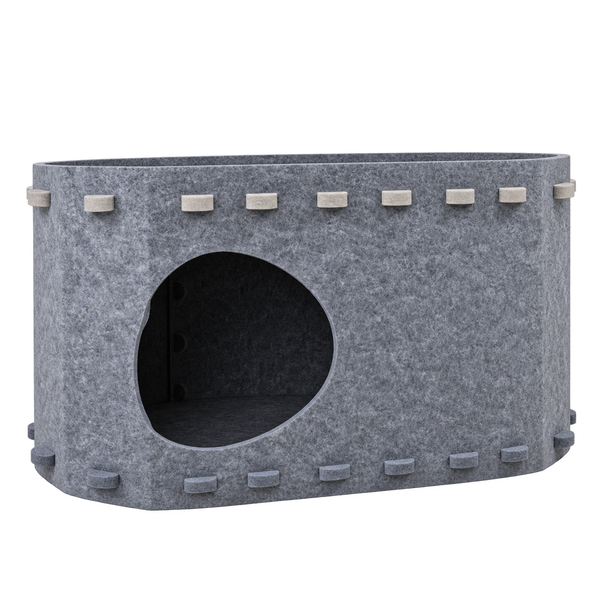 Casa Oval Al-Cat-RazShop
Algunos gatos quieren una cueva. Otros quieren un túnel. Algunos quieren ambos


